
DeLorean Motor Company: Designing the Digital Rail for a New Generation of Vehicles
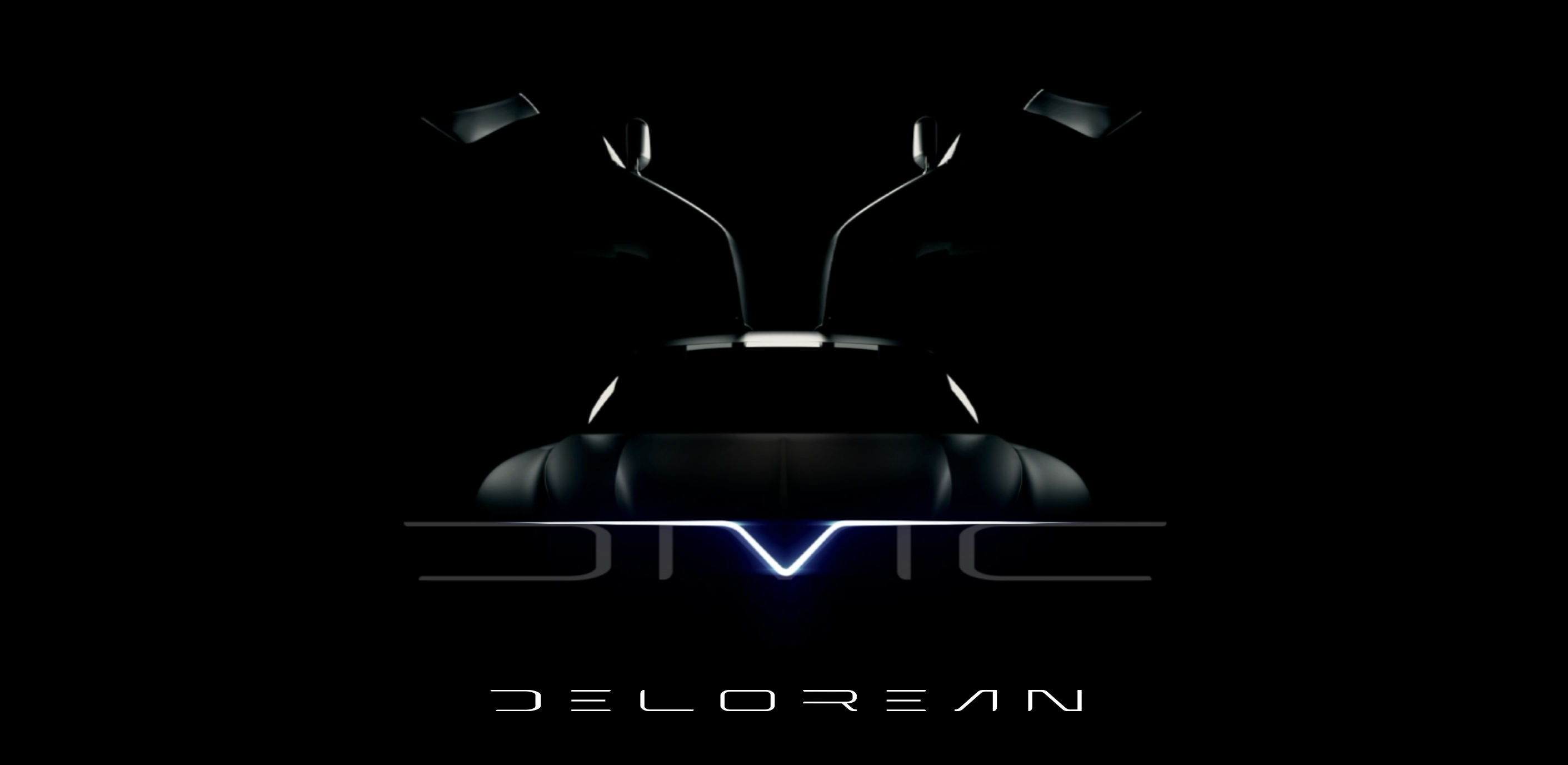
How a reborn automotive icon used operational twins and NFT based ownership to keep vehicles, customers, and internal teams in sync—and began turning that twin into a living, programmable car title.
The Challenge
DeLorean sells into the future, not off the lot. Reservations arrive months ahead of production, programs evolve, configurations change, and every department still has to give customers and partners a confident answer about status. Production slots, VINs, customer records, payments, and digital entitlements all lived in separate systems. There was no single source of truth tying the physical car, its digital twin, and the human who owned both.
Designing The Operational Ownership Twin
Fulcrum treated NFTs, reservations, and production planning as three lenses on one system. Working with program, finance, marketing, engineering, and legal leads we mapped the lifecycle from allocation through resale, then built an operational twin that:
- Tracks every vehicle as a structured digital object with configuration, VIN, production status, delivery events, and service history.
- Uses a staged NFT model that upgrades as the customer moves from slot to delivered vehicle, encoding rights, payments, and possible actions.
- Keeps VINs, production batches, wallets, traditional CRM data, and in‑vehicle signals in sync through a common data model.
- Enforces compliance, deposits, expirations, and allocation rules in code so policy and software never drift.
From Twin To Programmable Title
After the twin stabilized, we extended it toward a de facto digital title. Telemetry and service events feed the twin so major repairs, software updates, and battery health milestones are reflected in the ownership record. Because the NFT stays cryptographically linked to the twin, “paperwork” moves with the car while staying anchored to live data instead of static PDFs. Future capabilities—location‑scoped access, usage‑based warranties, automated compliance checks—can slot into the same architecture.
Impact
The operational twin and NFT rail gave DeLorean control and visibility that traditional configurators rarely deliver. Production planning became continuous and data driven. Allocation conversations shifted from rough estimates to VIN‑linked answers. Marketing gained a digital experience that stayed relevant from announcement through ownership, while legal and finance relied on encoded rules backed by full event history.
Most importantly, the pattern is reusable. New vehicle lines, fleet models, or subscription offerings can sit on top of the same twin and programmable title architecture. What once took months to integrate now takes weeks, turning NFTs from a gimmick into durable infrastructure tied to real assets and decisions.