
Ukraine Ministry of Digital Transformation: Crypto Rails Under Fire
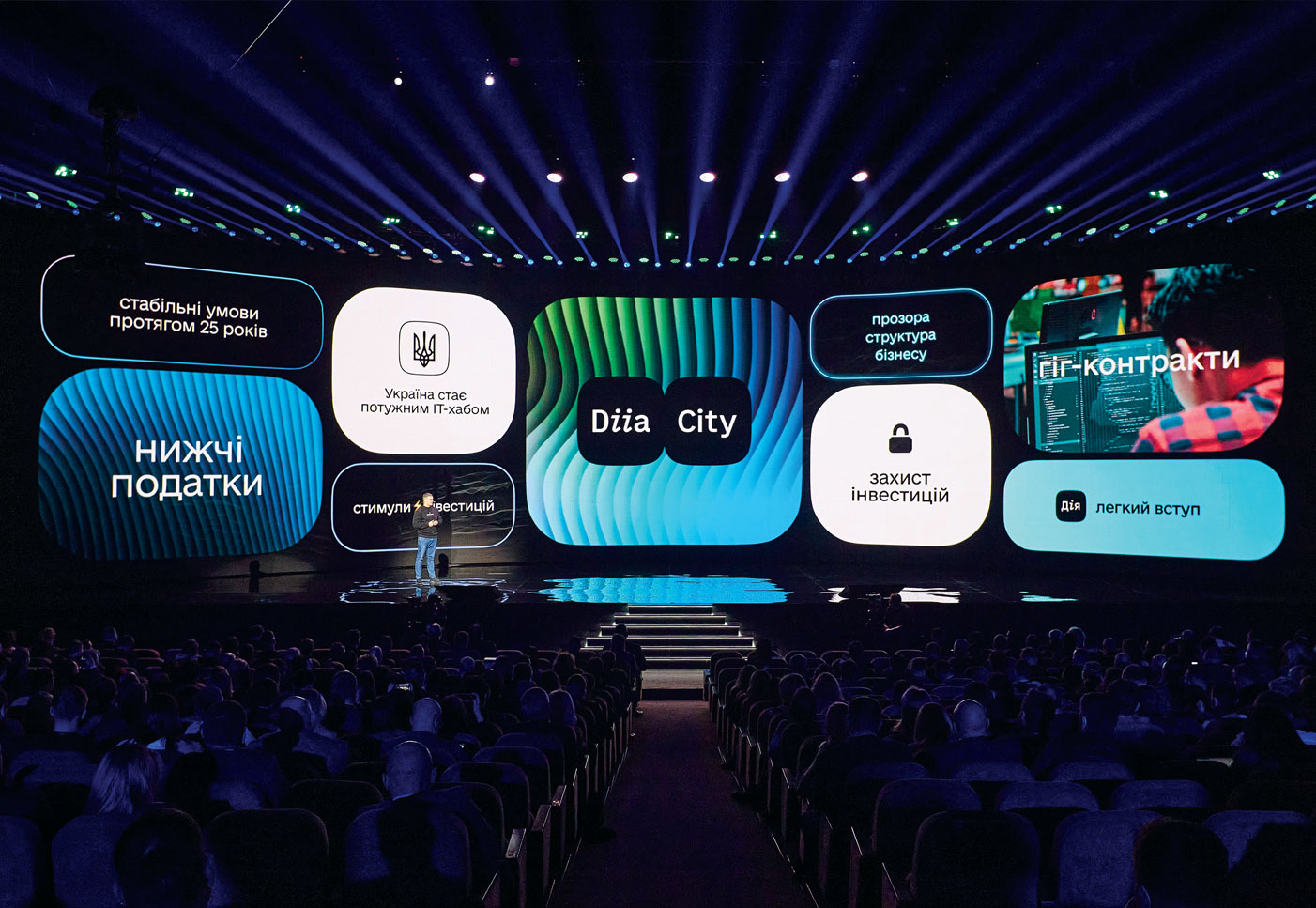
A look at how Ukraine's Ministry of Digital Transformation used purpose built crypto payment rails to turn global digital donations into auditable, real world procurement during the early months of the war.
The Challenge
When the war escalated, financial support for Ukraine began arriving through every possible channel. Traditional government accounts were not the only path anymore. Large volumes of crypto donations flowed in from individuals, DAOs, exchanges, and corporate treasuries.
The Ministry of Digital Transformation faced a set of problems that did not fit any off the shelf system:
Donations arrived in multiple currencies and on multiple chains.
Conversion to usable fiat needed to be fast, controlled, and compliant.
Procurement teams needed protective equipment, hardware, and infrastructure in days, not weeks.
Every movement of funds had to withstand domestic and international scrutiny.
Existing financial and procurement systems were too slow, too siloed, or too rigid for this environment. The Ministry needed a way to route crypto inflows into vetted procurement flows without losing speed, control, or traceability.
Understanding The Work
Instead of starting with wallets and exchanges, Fulcrum Services started with the real work that had to get done.
We spent our first weeks with stakeholders from digital, finance, and procurement mapping the true end to end flow:
How a donor decides to send funds and which channels they use.
How those funds arrive, are acknowledged, and are held.
How conversion decisions are made and who must approve them.
How procurement teams request, prioritize, and execute purchases.
How reporting, audit, and public communication need to look.
This exercise made two things clear.
First, the job was not to create a flashy donation page. The job was to give a small group of decision makers a control layer that spanned wallets, exchanges, banks, and procurement.
Second, the most serious risks were not in the cryptography itself. They were in governance, fat finger errors, double commitments, and unclear ownership.
Building The Rails
With the real workflow mapped, we designed and implemented a crypto to procurement rail system with three simple principles.
Separate custody from control
Wallets and exchanges already handled custody well. The new system focused on how decisions were proposed, approved, and recorded. Each transaction moved through defined states with clear owners, so no one person could both propose and approve movement of funds.
Treat every donation as part of a portfolio
Instead of handling each donation as a one off, the system tracked total inflows, currency mix, and liquidity windows. This allowed the Ministry to plan conversions in batches, reduce fees, and match currency decisions to expected procurement needs.
Make the path from crypto to contract visible
We stitched together data from wallets, exchanges, banking partners, and procurement systems into a single model. For any unit of value, leaders could see where it came from, how it was converted, which contract it funded, and what was delivered.
The result was not a single monolithic platform. It was a control layer that sat over existing tools, enforced policy, and produced a clear record of decisions and outcomes.
Operating Under Wartime Conditions
Designing a system on paper is one thing. Running it while air raid sirens are going off is another.
We kept the implementation lightweight and iterative:
Initial flows focused on a narrow set of high urgency equipment categories that procurement already knew how to source.
Approval workflows mirrored existing chains of command, so leaders did not have to learn an entirely new process while under pressure.
Dashboards exposed a small number of critical metrics: available crypto balance by asset, pending conversion volume, commitments by category, and days of runway for key items.
Feedback loops were tight. If a step created friction for procurement teams or slowed down urgent buys, we adjusted the process, then tightened controls elsewhere to keep the overall risk profile acceptable.
The Impact
Within the first phase of the project, the Ministry gained a clear, repeatable path from digital donation to delivered equipment.
Crypto inflows could be accepted at scale without creating new manual reconciliation work for finance teams.
Conversion and procurement decisions were made faster, with explicit approvals and a traceable chain from donor to vendor.
Leadership had a near real time view of how much support had arrived, what had been committed, and where gaps remained.
Equally important, the Ministry emerged with a reusable pattern for future digital asset initiatives. The same control layer approach can support disaster response, focused development programs, or new forms of public private partnership where digital value needs to become accountable real world action.
For Fulcrum Services, the engagement reinforced a core belief. The hardest part of working with new financial rails is not the technology itself. It is designing a system that respects law, politics, and human limits while still moving fast when people are counting on it.